inquiry
Leave Your Message
0%

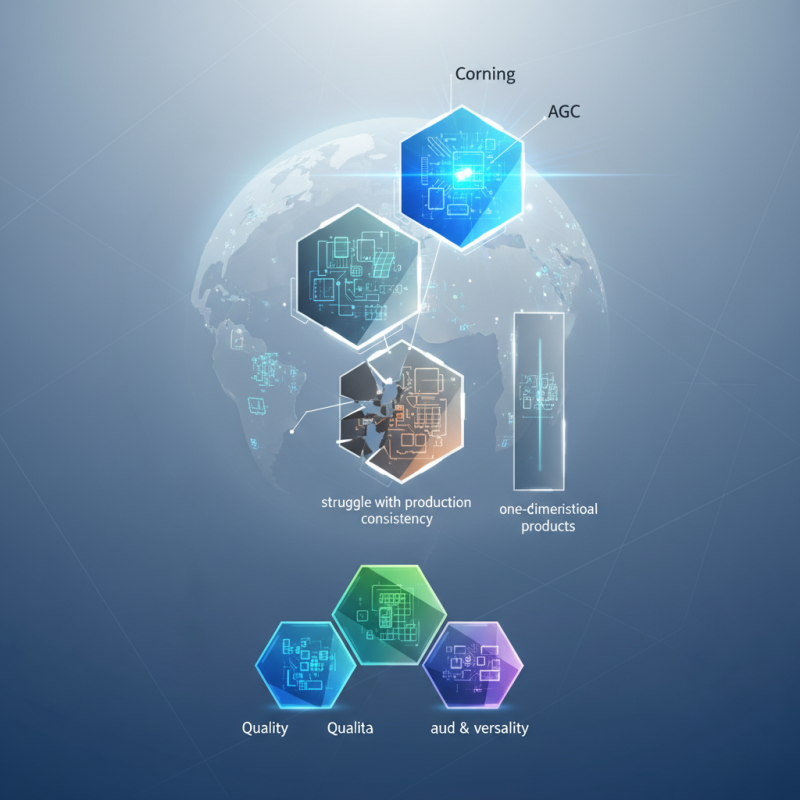
When you start talking about the top Conductive Glass Factories around the world, a few big names really stand out. These factories are key players in making products that boost everything from electronic gadgets and solar panels to touch screens. Companies like Corning and AGC? They’re pretty much legends in the field, known for pushing innovation and keeping quality high. It’s no surprise they’ve built solid reputations over many years.

But here’s the thing — not all factories are up to the same standard. Some struggle with keeping production consistent, which can be a real pain. Others focus too narrowly on just one type of product, ignoring the many different ways their glass could be used. That’s a missed chance, especially as tech keeps changing so fast. So, it’s super important to look at both how good their products are and how versatile they really are.

As we dig into the world of Conductive Glass Factories, we’ll check out a bunch of different companies — what they do well, and where they fall short. Every company has its own story and room for improvement. The key is to look beyond just their strengths and see where they might be missing things or could do better.
What are the Best Conductive Glass Factories in the World?

Overview of Conductive Glass and Its Applications

What are the Best Conductive Glass Factories in the World?

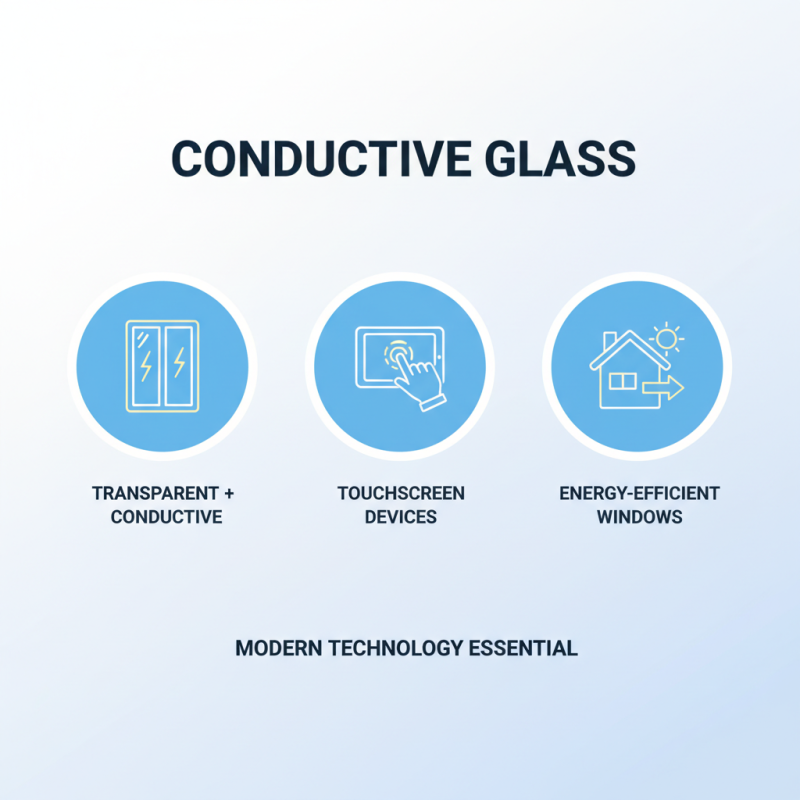
Conductive glass is a unique material that combines transparency with electrical conductivity. It finds a variety of applications, ranging from touchscreen devices to energy-efficient windows. This versatility stems from its ability to transmit light while simultaneously conducting electricity. Its importance in modern technology cannot be overstated.

In the realm of manufacturing, many factories across the globe specialize in producing conductive glass. These Af Glass Factories are often at the forefront of innovation. However, challenges remain in maintaining quality while scaling production. Many factories struggle with consistency, leading to variations in performance. Such discrepancies can be critical, especially in high-stakes applications like medical devices or smart glass technology.

Moreover, the environmental impact of manufacturing conductive glass poses further questions. Resource usage and waste management in AF Glass Factories are crucial areas that require improvement. Sustainable practices need to be adopted to minimize the ecological footprint. Balancing quality, innovation, and responsibility is a delicate dance that many factories are still learning to perform effectively.

Key Factors in Selecting a Conductive Glass Factory

When selecting a conductive glass factory, several key factors should be considered. Quality control is paramount. Look for factories that have robust testing protocols. Industries often reference that up to 30% of defects can originate from poor manufacturing practices. Pay attention to their certifications and compliance with international standards.

Another essential aspect is production capacity. A factory's ability to meet demand can make or break your supply chain. Research indicates that companies with reliable production schedules reduce their lead times by about 25%. Flexibility is also critical. Factories should be able to adapt to changes in order quantities or specifications.

Tips: Always ask for samples before finalizing any contracts. This can help you assess the quality firsthand. It’s also wise to visit the factories if feasible. This can reveal insights into their operational practices that reports might not cover. Finally, don’t overlook communication. A factory that responds promptly usually values its clients and builds better partnerships.

While there are many Glass Glare Factories worldwide, not all can deliver consistent quality. It’s advisable to gather feedback from existing clients. Mix of good reviews and negative criticisms may indicate areas to reflect on before making a final decision. Choose wisely.

Top Conductive Glass Manufacturers in Asia

When exploring top conductive glass manufacturers in Asia, focus on innovation and technology. Many factories prioritize cutting-edge production techniques. They produce glass that enhances electronic devices. This glass is essential for touch screens and solar panels. However, not all manufacturers uphold the same quality standards.

Quality control can vary significantly. Some factories may struggle with consistent product testing. This inconsistency can lead to defects and performance issues. Companies often rely on suppliers to improve. Yet, improvements may not always be timely or effective. In the competitive landscape, agility is crucial for success.

Environmental practices are another area for reflection. Some factories adopt sustainable methods, while others lag behind. Striking a balance between production and environmental impact is challenging. Manufacturers face pressure to innovate but must also consider their ecological footprint. Finding this equilibrium is vital for long-term success.

Leading Conductive Glass Producers in Europe

What are the Best Conductive Glass Factories in the World?

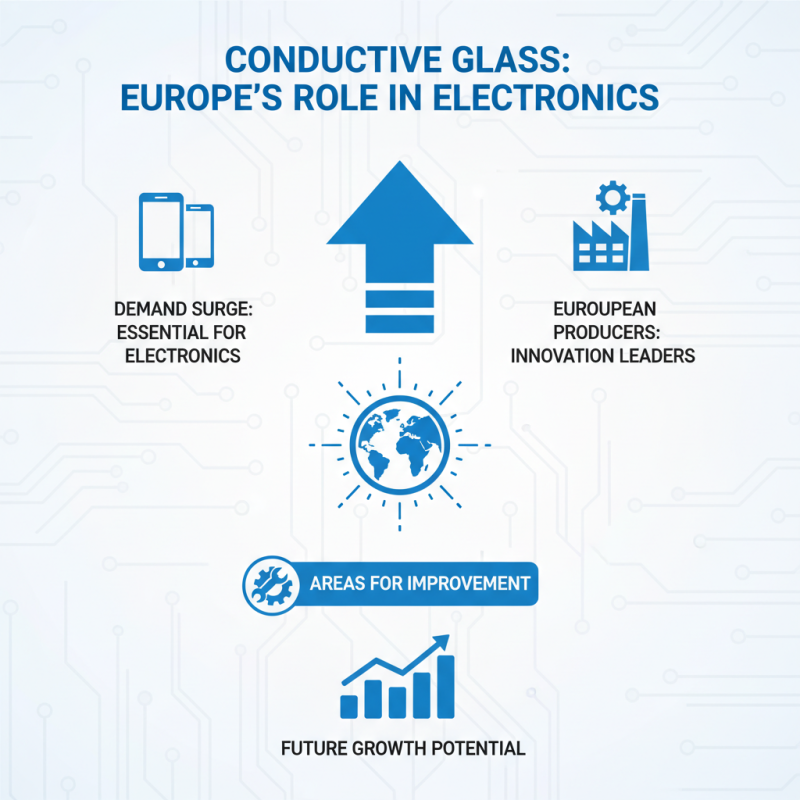
The demand for conductive glass has surged in recent years. It plays a vital role in various electronic devices. Europe is home to several notable conductive glass producers. They are at the forefront of innovation and technology. However, there are areas where improvements can be made.

Leading manufacturers in Europe focus on quality and precision. They produce touch glass with varying levels of conductivity. Some factories excel in creating ultra-thin glass, while others prioritize durability. This diversity helps meet the unique needs of various industries. Despite their achievements, certain production processes still require refinement. Issues like cost management and waste reduction remain challenges for many of these factories.

The emphasis on sustainable practices is growing. Manufacturers are beginning to explore eco-friendly materials. However, not all factories have fully embraced this trend. The gap between innovation and sustainability can be frustrating. The future of Touch Glass Factories hinges on their ability to adapt. Collaboration among companies may lead to better solutions for industry-wide issues.

Innovative Conductive Glass Companies in North America

Innovative conductive glass companies in North America are making waves in various industries. These businesses focus on enhancing energy efficiency and creating smart surfaces. Conductive glass plays a vital role in numerous applications, from touchscreens to solar panels. Some factories explore how better materials can improve functionality. Yet, challenges remain in achieving consistent quality.

Many factories emphasize research and development. They strive to create unique products tailored to specific needs. Some companies excel in manufacturing, but they also face hurdles in scaling production. This can lead to delays in bringing innovative solutions to market. Addressing these production gaps is critical for progress. There is also a need for sustainable practices in production. Balancing innovation with environmental responsibility is complex.

While many strive for excellence, not all factories reach their full potential. Quality control remains an issue for some. Maintaining strict standards is essential for success. Glass Switch Factories must address these concerns or risk falling behind. The journey of innovation in conductive glass is just beginning. Progress requires both determination and reflection on current practices.

Emerging Players in the Global Conductive Glass Market

The global conductive glass market is rapidly evolving, driven by new technologies and applications. Emerging players are carving out niches, offering innovative solutions in sectors like electronics and automotive industries. According to a recent market report, the conductive glass market is projected to grow at a CAGR of 12% from 2023 to 2030. This growth presents significant opportunities for new players entering the field.

Many new manufacturers focus on enhancing product quality while maintaining cost efficiency. These companies often explore local sourcing and sustainable practices. As a result, they can produce high-performance conductive glass. However, some struggle to balance innovation with scalability. This struggle can affect their market position. Tips for newcomers include investing in R&D and forming strategic partnerships to access new technologies and markets.

Investing in skill development for teams is essential. The market demands expertise in coatings and material science. New entrants must also keep an eye on competitor strategies. Understanding market trends and customer preferences is crucial. In a competitive landscape, adapting quickly is the key to success. Emerging players can influence the market significantly if they navigate these challenges well.

Future Trends in Conductive Glass Production and Technology

The global conductive glass market is experiencing rapid growth. According to a recent industry report, its value is projected to reach $5.2 billion by 2026. This surge is driven by increasing applications in electronics and renewable energy. Conductive glass is critical for touch screens, solar panels, and display technology, making it essential for future innovations.

Emerging technologies present both opportunities and challenges in conductive glass production. For instance, the shift to eco-friendly materials is gaining momentum. Many manufacturers are exploring alternative conductive coatings to reduce environmental impact. However, finding the balance between performance and sustainability remains an ongoing dilemma.

Additionally, production techniques are evolving. Techniques such as roll-to-roll processing promise efficiency, but require significant capital investment. Companies face hurdles in scaling up these methods while maintaining quality control. These factors illustrate the complexities in the conductive glass industry moving forward. Staying adaptable to these trends will be crucial for manufacturers seeking to thrive.

Global Conductive Glass Production Capacity (in Million Square Meters)

FAQS

: What is the main purpose of the article?

: The article aims to provide informative content on a specific topic.

Who is the target audience?

The content is aimed at individuals seeking knowledge and insights.

How is the information presented?

It presents key points in a clear, concise manner.

Are there any multimedia elements included?

No, the article is text-based only.

How does the article maintain reader engagement?

It uses relatable examples to connect with readers.

Are there any areas that need improvement?

Some sections may lack depth or clarity.

Is the tone of the article formal or informal?

The tone is mostly informal and approachable.

What are the challenges in understanding the content?

Certain jargon may confuse new readers.

Can readers find additional information elsewhere?

Yes, related topics can be explored for more insights.

What is the overall takeaway from the article?

It encourages reflection on the topic discussed.

Conclusion

Conductive glass is a specialized material with various applications, including touchscreens, sensors, and energy-efficient windows. Selecting the right conductive glass factory is crucial and involves evaluating key factors such as production technology, quality control, and customer service. The global market features top manufacturers in Asia and Europe, known for their innovation and advanced production techniques, while North America hosts several innovative companies pushing the boundaries of conductive glass technology.

As the market evolves, emerging players are entering the scene, contributing to a dynamic landscape that holds promise for advancements in conductive glass production. Future trends indicate a focus on sustainability and enhanced performance, reflecting the growing demand for efficient electrical solutions. Overall, understanding the landscape of conductive glass factories is essential for stakeholders looking to invest in this high-potential sector.


Isabella

Isabella

Isabella is a dedicated marketing professional at Dongguan Fuxin Glass Technology Co., Ltd., a company that has been a leader in the glass industry for over a decade. With extensive knowledge of the company's innovative products, including ag glass, ar glass, af glass, and am glass, she plays a......
Previous Innovative Uses of Led Glass in Modern Architecture and Design